2 April 2026
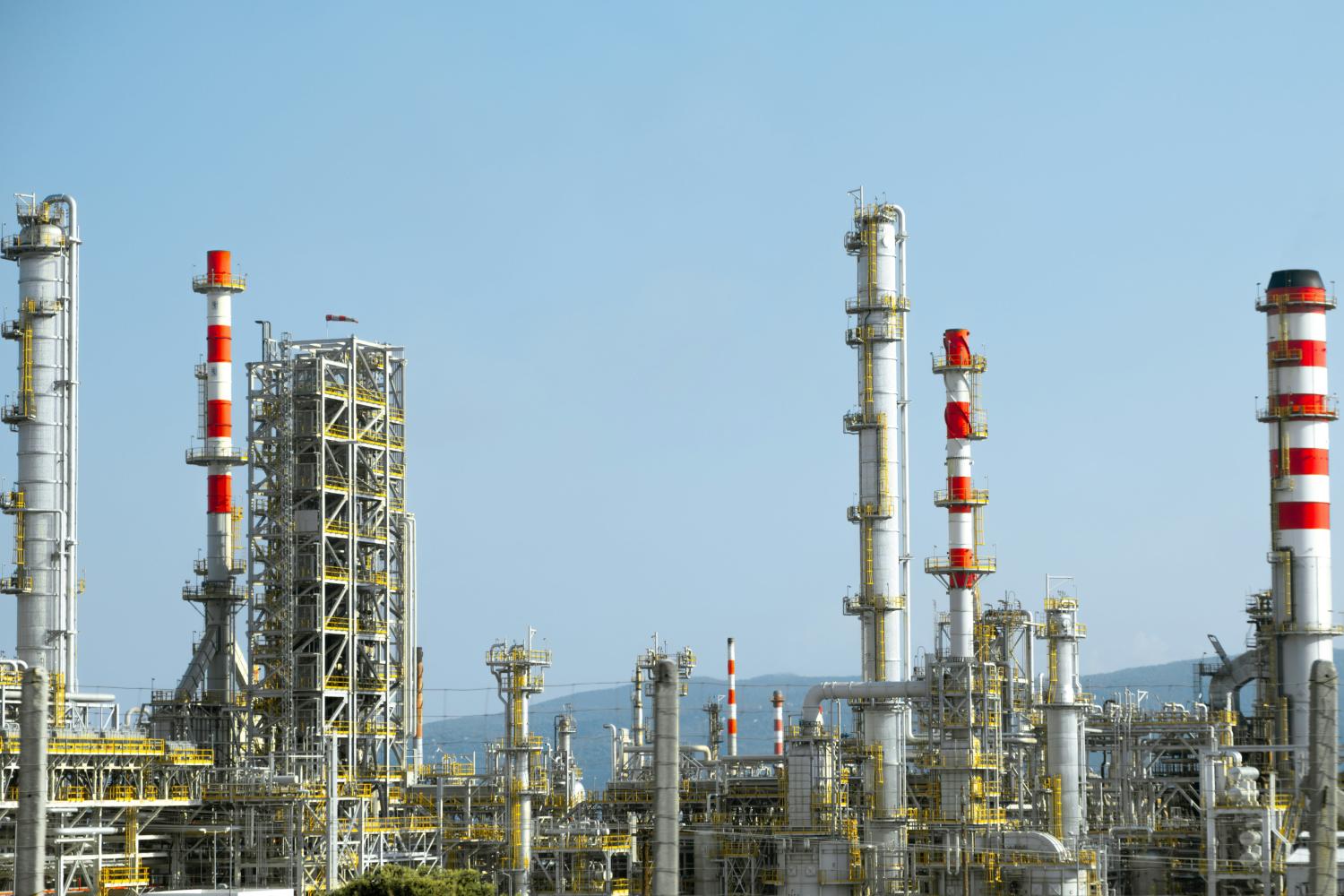
Santa Marta, at Colombia’s Caribbean coast, must be an inflection point. While climate policy and finance traditionally avoided discussions around fossil fuels – which account for around 70% of global greenhouse gases – the world’s First Conference on the Transition Away from Fossil Fuels aims to do precisely that in late April: Discussing and developing solutions that can complement existing processes of the UN’s climate regime (most prominently the annual climate conferences), (sub-)national and regional jurisdictions.
Key areas of focus (‘pillars’) are:
- Overcoming economic dependence;
- Transforming supply and demand;
- advancing international cooperation and climate diplomacy.
The state of play of fossil fuel levies
One obvious solution to tackle ‘negative climate finance’ is adequate fossil fuel taxation. While fiscal policies for oil and gas (O&G) revenues exist across continents, their scope varies wildly; precedents for fossil fuel levies are plenty, as the Levies Dashboard of the Global Solidarity Levies Task Force (GSLTF) shows. What is needed now – even more than before the price shocks – are sustainable, predictable revenues for both fossil fuel-exporting and-importing countries.
This will help with both:
- accelerating just and equitable domestic and international energy transitions while also
- increasing countries’ resilience: away from fossil fuel-related vulnerability, towards permanent energy sovereignty – especially for historic coal, O&G importers.
First and foremost, taxes on windfall profits must be there to stay. After Russia’s invasion of Ukraine and the first fossil fuel price shock of the 2020s, the EU's 2022 temporary‚ solidarity contribution raised EUR 28 billion of additional revenues, by imposing a minimum tax rate of 33% of all industry profits exceeding 120% of the 2018-2021 average. Only some EU countries (e.g. Ireland, Slovenia) applied much higher rates, which left multinationals still with generous windfall profits. By late 2025, most EU countries had already phased them out again – at the worst possible moment: Now, with the Iran crisis, O&G companies are again the biggest profiteers: We don’t know yet how much they will cash in in 2026, but in 2022 alone, their net income tripled (to USD 916bn globally). Worse, this time Russia is also a direct beneficiary from oil prices above USD 100 per barrel, filling Putin’s war chest with more than EUR 500 million per day in March (aided by Trump’s lifting of oil sanctions against Russia). At last, calls for taxes on windfall profits – from the US to Germany, from the UK to Australia – are getting louder.
- EU surtax on fossil fuel industries’ profits
- The Guardian: We can tell you who will really get rich from this oil crisis – and how we can stop them
Second, targeted taxes for fossil fuels can be one solution to internalise the still-externalised costs of fossil fuels. Right now, in times of sky-high energy prices for gasoline, heating and other fossil-based services, they can be more politically feasible than other options (e.g., fossil fuel subsidy reform and market-based instruments such as carbon pricing). Two levy options closely link to debates around security and resilience: a) permanent profit-based levies on multinational fossil fuel companies (‘top-up levies’) and b) importer levies. They latter in particular deserves greater attention. If well-coordinated, e.g. in a possible ‘Organisation for Petroleum-Importing Countries’ (OPIC, as a counterweight to OPEC), the ‘buyers club’ could gain privileged access to oil exports by paying a contractually agreed premium. Revenues from this premium could then be used to fund both importers’ and exporters’ planned transitions away from oil dependencies (e.g. equal split). Of course, this logic could be expanded to gas and coal, to finally (re-)politicise traditionally market-driven export-import relationships.
Third, while the momentum for adequately taxing fossil fuels gathers pace, the knowledge base has not kept up, exacerbating evidence-based policymaking. The state of research is far from advanced, as shown in a recent landmark quantitative overview of countries’ different national circumstances, fossil fuel dependence and opportunities for flourishing post-fossil economies. For instance, the Levies Dashboard of the GSLTF – the only overview of its kind, by a coalition of climate-progressive countries – compiles data from the World Bank’s Carbon Pricing Dashboard for carbon taxes, the OECD’s Carbon Pricing and Energy Taxation database for consumption taxes and PwC’s corporate Worldwide Tax Summaries, among others. Still, no standardised methodology exists to compile these datapoints. Adding the never-ending quarrels between the OECD/IEA and IMF on fossil fuel subsidy-definitions and we have a(nother) rabbit hole of diverging opinions within climate policy communities.
Now is the right time to talk about levies – because of, not despite the fossil crisis
Happening against the backdrop of yet another global oil shock, Santa Marta signals significant progress of supply-side climate policy, i.e. solutions that seek to phase down the production of climate-heating fossil fuels in a planned and just manner. Nationally, they are much needed since – so far – measures to ramp up clean energy have not substituted O&G use; instead of energy transitions, we mostly see ‚energy additions‘. This is precisely where fossil fuel levies come in: As one, nationally determined solution, they can help countries overcome their own fossil fuel vulnerabilities and become energy-independent with their own, ‘homegrown’ clean energy sources.
Energy taxation (and thus fossil fuel levies) are fully within the realm of national jurisdictions; levies and their revenues could be linked to roadmaps such as Nationally Determined Contributions, transition plans and development strategies. Champion countries – at least 32 already apply excess profit taxes in extractive industries such as fossil fuels – can further establish the case for more progressive taxation on energy, starting with the profits of multinational fossil fuel companies.
Of course, given the magnitude of ‘profit-shifting’ (i.e., tax evasion) by the extractives sector, international cooperation and effective multilateral frameworks are needed. And we know that they can work: The 2016 implementation of multilateral anti-tax avoidance measures, e.g. the EU’s Anti-Tax Avoidance Directive and the OECD/G20’s Base Erosion and Profit Shifting, curbed tax shifting in the O&G industry. Now, we need to go further. Fortunately, the shape of a possible Fossil Fuel Treaty and of the UN Tax Convention (UNTC) are becoming clearer. In fact, the UNTC (expected by 2027) could become the place where a binding, global “polluter‑pays surtax” on all fossil fuel profits is anchored; an Article 4-provision (on the scope, principles of international tax cooperation) would apply to all profits of large O&G firms. Its impact must not be underestimated: More than USD 1 trillion could have been raised for climate action and development since the adoption of the Paris Agreement in 2015, if the world's 100 largest O&G companies had been charged a 20% surtax on their enormous profits.
What Santa Marta can – and should – deliver
Now, Santa Marta will be a key opportunity to continue that momentum, and also inform the much-awaited COP30 Presidency Roadmap on the Transition Away from Fossil Fuels in a Just, Orderly and Equitable Manner. This roadmap – the first-of-its-kind – will be published by COP31 in Antalya and then serve as a key reference for countries‘ domestic ambitions. Let’s be clear: The taxation of fossil fuels should be seen as a central component of any roadmap for the transition away from fossil fuels.
Santa Marta will be crucial in another regard: Every fossil fuel roadmap, every fossil fuel levy needs to have strong social safeguards in place, to enable truly just transitions. Thousands of Indigenous Peoples, farmers and workers, frontline communities, NGOs, (sub-)national governments, parliamentarians, the private sector, and academics will come together to deliver implementation-driven action toward an orderly phase-out of fossil fuels. They can make the case that the principle of common but differentiated responsibilities shouldn’t apply only to countries but also to the biggest polluters; that more resources need to be invested in transparent and accessible data platforms on fossil fuel levies (and subsidies) to inform and guide evidence-driven decision-making. These stakeholders symbolise the solidarity in ‘solidarity levies’ that is needed in times of faltering development/humanitarian assistance and increasing ‘transactionalism’.
After Santa Marta is before the annual climate negotiations: It can be the first but must not be the last opportunity in 2026 to discuss the need for fossil fuel levies generally and permanent profit taxes in particular. Rather, the conference should be the beginning of mainstreaming roadmaps for the transition away from fossil fuels and levies within them.
Cutting with both arms of the scissors
Of course, domestically high energy prices take up significant political attention. But the two can be combined: Sincere discussions about why energy prices in Europe are higher than need be, targeting those companies and individuals that benefit from price shocks, and finally scrapping counterproductive incentives and policies. In the EU, energy taxation still favours fossil fuels over renewables, taxing electricity from renewables twice as high as that from gas, for instance.
Now is the time to change gear: To better absorb geopolitical shocks, increase countries’ resilience and protect citizens, we need to adequately price fossil fuels. Making windfall profit taxes permanent is an important first but must not be the last step: towards aligning energy and financial systems with the Paris Agreement and providing predictable revenues for just energy transitions globally.

Max Schmidt
Max is a 2026 Mercator Fellow in International Affairs, seconded to the Global Solidarity Levies Task Force Secretariat.