3 November 2026
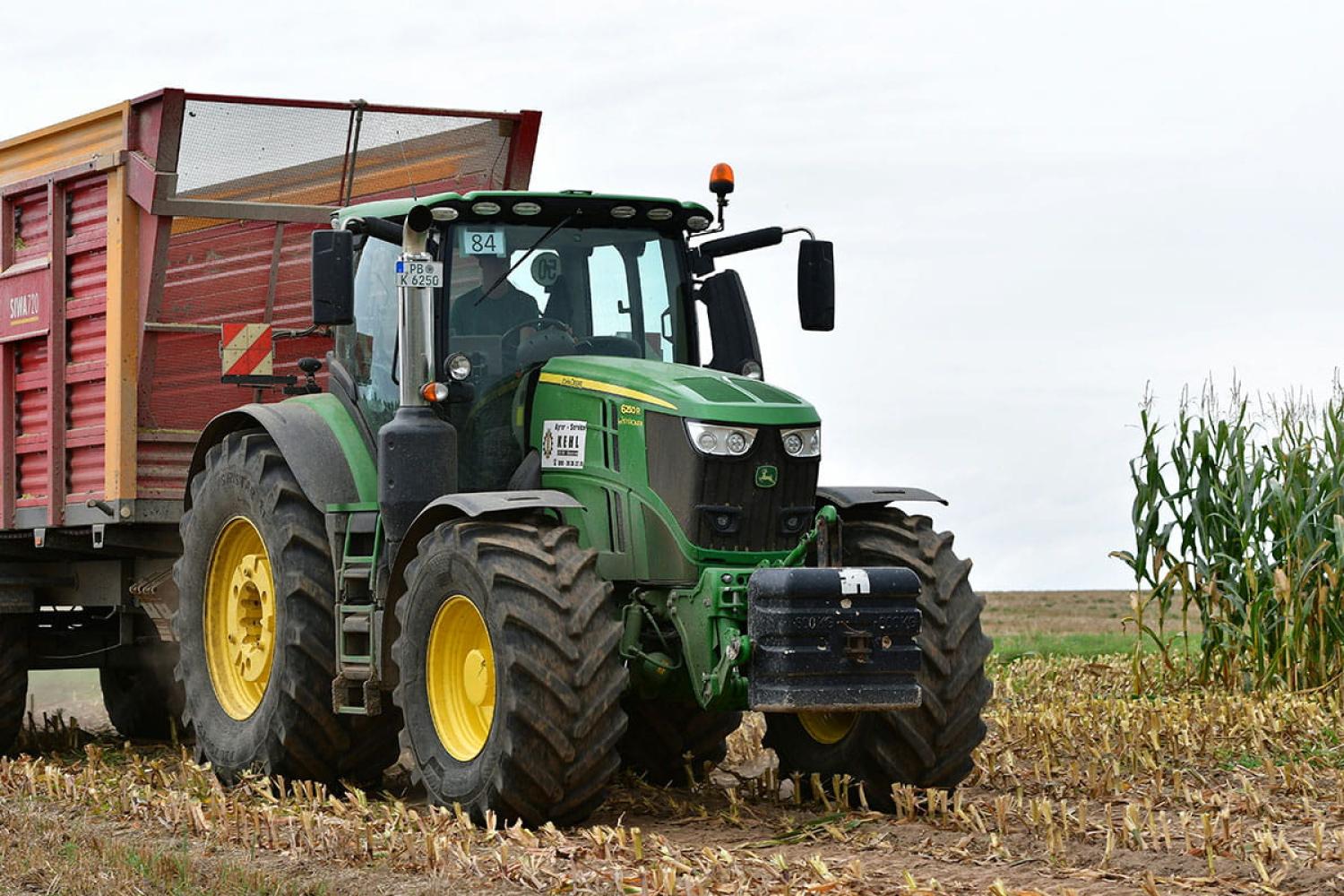
Diesel prices have hit record highs
It is rare that, of all fossil fuels, it is diesel that got the most attention in October: from Trump’s threat to ban all US diesel exports to (also) Trump’s deal with Putin for Russian diesel. Coming on top of the Strait of Hormuz crisis that sent costs for fuels skyrocketing, diesel prices have hit record highs across Europe, hovering at times just under 200p per litre in the UK.
The case for a just, orderly, and equitable transition away from fossil fuels
Current geopolitical events have demonstrated that a just, orderly, and equitable transition away from fossil fuels (TAFF) is needed not only to meet climate goals, but to reduce exposure to volatile energy markets, address the dependency on trading partners, and drive green growth. China is an often-noted case in this conversation: In the first few months after the Strait of Hormuz crisis started in spring 2026, the country managed to cut its oil imports drastically; as a ‘co-benefit’, it lowered the prices per barrel for everyone: instead of the predicted USD 150-200 per barrel, oil prices scarcely surpassed USD 100.
Electrification, agriculture, and Agri-TAFF
In recent years, China has become the best-known example of manufacturing and installing clean energy at unprecedented levels, including electric vehicles, earning it the label of the world’s first ‘electrostate’. Of course, the case of China is very unique, and cannot be easily replicated. But it shows that large-scale electrification – which is high on the agenda of this year’s 31st Conference of the Parties (COP31) – can be an effective means for several climate and development goals simultaneously. What is less discussed, however, is that China has recently achieved an electrification rate for agriculture and rural residents of 50%, largely bolstered by the expansion of rural equipment and clean power facilities.
Put conservatively (English sources are rare), China is leading the (still) niche market of electric agricultural machinery: For electric tractors in particular, Chinese manufacturers are introducing an expanding range of models across multiple power categories, suggesting that the country is positioning itself early in what could become the next phase of agricultural equipment development.
This is an important signal. Progress to decarbonise fuel use in agriculture has been extremely slow: the vast majority of tractors sold – as much as 99% in India – are still running on diesel, with the exemption of Brazil and its unique biodiesel landscape. Technological availability, economic pressures, and domestic political constraints are some of the factors that, hitherto, have made decarbonising agriculture a ‘high-hanging fruit’. Yet as today’s geoeconomic pressures continue to add up, and in light of these sectoral developments, transitioning agriculture away from fossil fuels (what can be colloquially described as an ‘Agri-TAFF’) is becoming a cross-cutting resource for climate action, food security, and economic development.
Reducing costs and and cutting emissions
By reducing the sector’s dependence on international oil markets, Agri-TAFF will be crucial to help bring down the soaring costs of producing agricultural goods – as well as the cost-of-living crisis that is most felt with daily purchases, such as in supermarkets. Agri-TAFF will also be critical to reduce the sector’s share of around 30% of global greenhouse gas emissions, caused less by burping cows (though methane plays a role) and more by diesel-fuelled equipment and the outsized reliance on synthetic fertiliser (among other petrochemical products). In fact, electric tractors reduce the energy consumption and carbon dioxide emissions required for field operations by about 70% compared to traditional internal combustion engine-driven tractors.
Technically speaking, electrifying agricultural machinery presents far greater challenges than electrifying passenger cars
Tractors require sustained high-power output, operate for long hours under heavy loads, and often work in remote areas where charging infrastructure is limited. Battery weight, operating autonomy, and charging times remain major constraints, particularly for medium- and high-horsepower machines. While countries as diverse as Australia, Belarus, Brazil, Canada, China, India, Iran, South Korea, and the UK have begun to vigorously develop electric tractors, industrial giants like John Deere, Claas and Fendt are mostly offering small(er) electric machinery. Most larger electric tractor models are only in a pilot stage or still under development.
Western dominance of agricultural machinery is set to dwindle
Western dominance of agricultural machinery is therefore set to dwindle: If the same industrial dynamics that reshaped the automotive sector begin to influence agricultural machinery, China’s vast supplier network, manufacturing scale, and experience in reducing production costs could allow manufacturers to accelerate product commercialisation faster than most competitors. Chinese electric tractors are already incorporating features that, until recently, seemed difficult to achieve in agricultural machinery: power ratings of up to 260 HP, operating autonomy ranging from four to eight hours depending on workload, fast-charging systems capable of replenishing batteries in around one hour, and battery-swapping solutions that reduce downtime to only a few minutes. And they are beginning to expand internationally: Russia has emerged as one of the first export destinations for several Chinese electric tractor brands.
Overall, this means that transitioning countries face an important conundrum: Staying hooked on (mostly US) diesel imports for its agriculture, or transitioning agriculture away from fossil fuels via electrification – which at present, implies entrenching import dependencies on China. As geopolitical tensions continue to rise, and countries seek to balance their energy transition needs with their strategic autonomy, the agrifood sector will become an increasingly uncomfortable component of this equation.
COP 31: now is the time to put “Agri-TAFF” on the agenda
The ten priority themes of the COP31 Presidency include food safety, green industrialisation, and clean energy transition. This creates potential space for meaningful conversation about agricultural transitions away from fossil fuels. Hitherto, the TAFF momentum – the COP30 Roadmap process, the First Conference on Transitioning Away from Fossil Fuels (Santa Marta, April 2026), the national TAFF roadmaps published to date – has given little attention to this question.
Nevertheless, now is the time to put “Agri-TAFF” on the agenda: not simply to decarbonise the agrifood sector, but to make food systems more resilient to today’s energy and geopolitical shocks. This is also a matter of food security: as a firmly established ‘Supersized El Niño’ is set to intensify over the next few months and likely become the strongest on record, the growing risks of extreme weather into 2027 will greatly aggravate pressures on harvests and food prices.
This makes COP31 an even more time-sensitive opportunity to explore how agricultural transitions can simultaneously deliver climate action, energy security, and food resilience. Importantly, this requires us to understand Agri-TAFF as a holistically matter covering the whole agricultural value chain. Transitioning away from diesel-powered machinery and synthetic fertiliser are crucial steps, but it is equally important to consider what we are transitioning towards: renewable energy integration (e.g., through agrivoltaics), livelihood opportunities in sustainable agriculture, and changing dynamics in the agri-food trade system. Now it is on COP31 participants to advance these nascent conversations.

Max Schmidt
Max is a Fellow at Climate Strategies and a Visiting Fellow at the Centre for Business, Climate Change and Sustainability in the Business School.